How to Get Rid of Garden Pests Organically (Step-by-Step)
Holes in your leaves? Here's the organic pest control system that matches the right tool to the right pest — before more damage is done.

How to Get Rid of Garden Pests Organically (Step-by-Step)
You walk out to the garden and something has been at your kale again. Holes punched through the leaves, curled tomato foliage, squash that looks like it's losing a slow fight. It's demoralizing — but it's completely fixable. The key is matching the right organic tool to the right pest, in the right order. Using the wrong spray (or the right spray on the wrong side of the leaf) wastes product and can actually harm the beneficial insects that are working in your favor. This guide walks through the full organic pest control system, from prevention to targeted treatments, so you can make confident decisions when pressure hits.
Quick Answer
Organic pest control works best as a layered system: start with physical barriers like row cover and kaolin clay, then apply targeted sprays matched to your specific pest. Use BT spray on a 7-day schedule for caterpillars and larvae, and insecticidal soap or cold-pressed neem oil (with azadirachtin on the label) for aphids, whiteflies, and spider mites. Reserve broad-spectrum options like pyrethrin for genuine last-resort situations only — they kill beneficial insects on contact. Identifying your pest correctly before reaching for any spray is the single biggest factor in whether your treatment works.
Start With Prevention — Before You Reach for Any Spray
The most effective pest control happens before you see damage. A few physical strategies can stop infestations before they ever take hold.
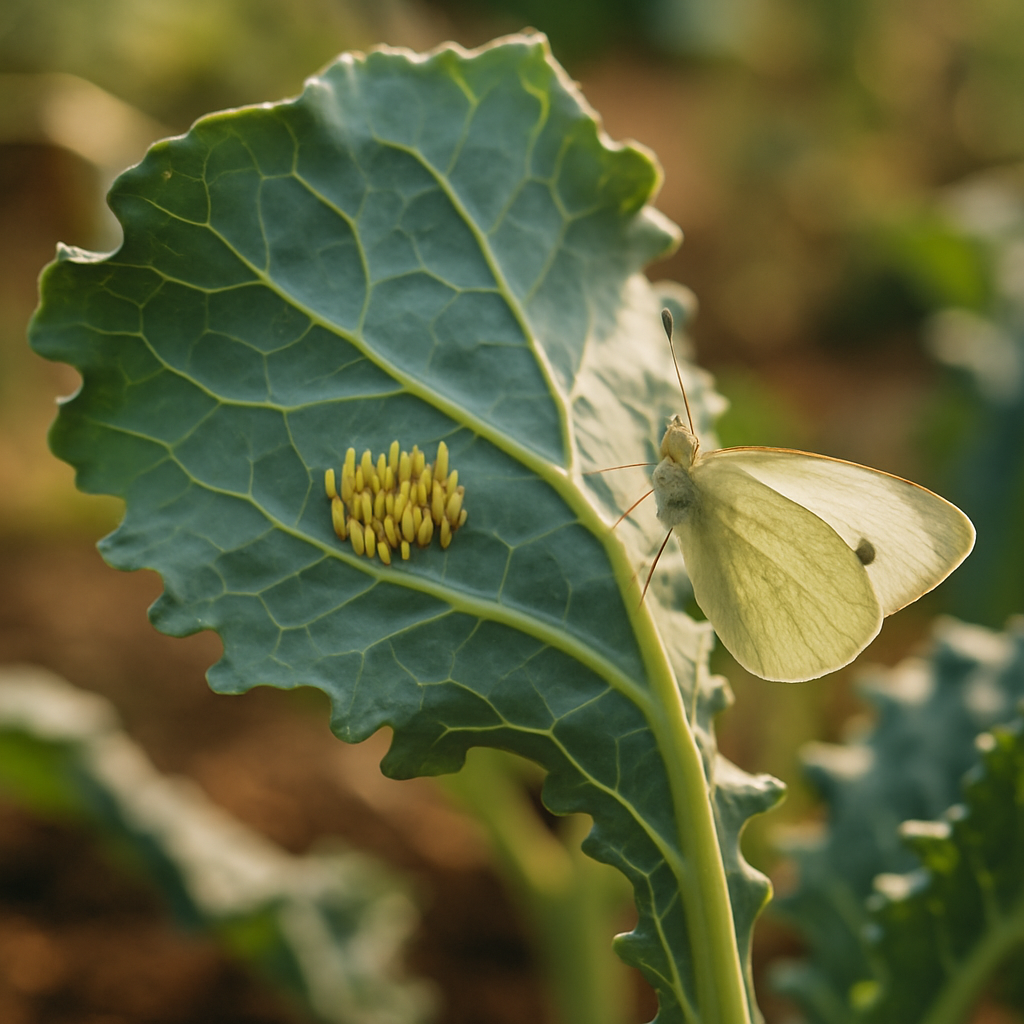
Row cover and insect netting placed directly over young transplants is your most reliable first line of defense — especially for brassicas like cabbage, broccoli, and kale in the weeks immediately after transplanting. Cabbage white butterflies lay eggs fast. If your plants aren't covered, you'll be spraying.
Kaolin clay works differently. It forms a fine mineral coating on leaf and stem surfaces that disrupts how pest insects detect and land on plants — making them a less attractive target without killing anything. Team Grow Armor — Organic Crop Protectant (Kaolin Clay) is formulated specifically for backyard vegetable growers and applies easily as a spray. It's particularly useful against cucumber beetles, squash vine borers, and plum curculio. Reapply after rain.
Garden hygiene breaks pest life cycles. Remove and dispose of (do not compost) any plant material showing visible pest damage, egg clusters, or active infestations. Fallen or damaged fruit left on the ground can harbor larvae that complete their cycle in the soil and return as adults next season.
Rotation gaps matter. When you pull out a brassica crop, wait at least two weeks before transplanting new seedlings into that same bed. That gap removes the host plants pests are counting on to complete their cycle.
Flip your leaves weekly. Most pest eggs are laid on the undersides of leaves where they're sheltered and hard to spot. Catching a cluster of cabbage worm eggs or a small aphid colony before it scales is worth more than any spray.
The Organic Pest Control Toolkit
BT Spray — Your Best Tool for Caterpillars and Larvae
BT (Bacillus thuringiensis) is a naturally occurring soil bacterium. When a caterpillar or larva ingests it while feeding on treated leaves, it disrupts their digestive system and kills them within a few days. It does not harm bees, beneficial insects, or humans — one of the safest sprays available for edible crops.
What it controls: Cabbage worms, cabbage loopers, tomato hornworms, and other soft-bodied larvae that feed on leaves.
How to use it:
- Start spraying when you first see adult cabbage white butterflies hovering around your brassicas — don't wait for visible leaf damage.
- Apply every 7 days throughout the season while susceptible crops are in the ground.
- Coat both sides of leaves thoroughly so feeding larvae ingest the bacteria.
- BT can be applied up to and including harvest day — it is non-toxic to humans.
Consistency is what makes BT work. One application won't hold. A regular 7-day schedule throughout the season is what delivers clean, undamaged harvests. BT degrades in sunlight, which is exactly why reapplication matters.
Insecticidal Soap vs. Neem Oil — Soft-Bodied Insect Control
Both products target aphids, spider mites, and whiteflies. Choose based on how quickly you need results and whether fungal issues are also in play.
Insecticidal soap works on contact — it breaks down the insect's outer membrane and kills quickly, but has zero residual protection once dry. If you have a visible aphid colony right now and need fast action, soap is the right call.
Cold-pressed neem oil works more slowly, typically over several days, but it also disrupts insect hormone function and feeding behavior, and leaves residual protection on the leaf surface. It has mild fungicidal properties as well — a smart pick when you're dealing with early powdery mildew alongside pest pressure.
Key application tips for both:
- Spray in the evening — both products can harm bees on direct contact; evening application lets them dry before pollinators return in the morning.
- Spray the undersides of leaves thoroughly. That's where aphids, whiteflies, and spider mites congregate. Spraying only the tops largely misses the infestation.
- For neem oil: warm the bottle slightly, then mix with a small amount of plain, unscented dish soap before adding water to your sprayer. Skipping this emulsification step causes the oil to separate and coat unevenly.
- Always confirm your neem oil label lists azadirachtin as the active compound. Refined or premixed neem products often lack it — and without azadirachtin, you're getting very little actual pest control.
Spinosad — For Beetles, Thrips, and Leaf Miners
Spinosad fills the gap that BT leaves open. It's effective against flea beetles, Colorado potato beetles, thrips, and leaf miners — pests that BT simply won't reliably touch.
It's more broad-spectrum than BT, which means it carries real risk to beneficial insects, including bees. Evening application is non-negotiable. Once spinosad dries on leaf surfaces overnight, it no longer poses a meaningful threat to beneficials.
Use spinosad as a targeted, as-needed tool — when you've confirmed flea beetle or leaf miner pressure — not as a routine preventative spray.
Diatomaceous Earth — Passive Physical Barrier
Food-grade diatomaceous earth (DE) is made from crushed fossilized algae. To crawling insects, the microscopic particles are sharp enough to cut through their exoskeleton, causing dehydration within one to two days.
Apply it as a dust around the base of plants and across leaf surfaces where crawling pests will contact it. It is not effective against flying insects that don't walk through it.
The main limitation: DE loses all effectiveness when wet. Reapply after any rain or heavy overhead watering. Think of it as a perimeter defense — especially useful around the base of squash and brassicas where slugs and ground-level insects approach from the soil.
Pyrethrin — Last Resort Only
Pyrethrin is derived from chrysanthemum flowers and is certified organic. It is also a powerful, broad-spectrum contact insecticide that kills beneficial insects on contact — including bees, ladybugs, and predatory wasps. Being natural does not make it gentle.
Reserve pyrethrin for genuine infestations where other methods have already failed. It acts fast — knockdown within minutes to hours — but there is no residual effect once it dries. It won't protect plants after that point.
Always apply in the evening. Using pyrethrin routinely will erode the beneficial insect population your garden depends on, which makes long-term pest pressure significantly worse over time.
Hand Removal and Physical Scouting
For some pests, no spray outperforms your own hands. Squash bugs are heavily armored as adults and resistant to most sprays. The most effective approach is consistent scouting — check the undersides of squash leaves weekly for the distinctive bronze-colored egg clusters arranged in tight rows, and remove them before they hatch.
For adult squash bugs, hand-pick them directly or use a small handheld vacuum to clear them from plant surfaces quickly without any chemicals. Squash vine borer adults lay eggs and leave fast — catching them with a spray window is difficult. Regular egg scouting near stems and leaf bases is simply more dependable than timing a spray.
Trap Crops — Let the Garden Work for You
A trap crop is a sacrificial planting that draws target pests away from your main vegetables and concentrates them in one location. Amaranth planted near cucumbers and squash, for example, draws cucumber beetles in — making them much easier to remove or treat with a single targeted application rather than chasing them across your whole garden.
Once a trap crop becomes heavily infested, treat it with spinosad or pyrethrin in the evening to knock out a large pest population at once.
Alongside trap crops, a diversity of flowering herbs and native plants creates habitat that draws and retains ladybugs, lacewings, parasitic wasps, and other beneficial insects that suppress pest populations passively — without any intervention from you.
Common Mistakes
- Skipping the undersides of leaves when spraying. Most soft-bodied insects live and lay eggs on the lower leaf surface. Spraying only the tops treats the symptom, not the source. Flip every leaf and spray both sides.
- Using refined or premixed neem oil without azadirachtin. Without azadirachtin, neem oil provides almost no actual pest suppression. Check the label before buying. Cold-pressed, full-spectrum neem oil with azadirachtin listed as an active ingredient is what you need.
- Transplanting new seedlings directly next to a pest-infested bed. Pests, eggs, and nymphs migrate immediately to young, tender growth. Pull the spent crop, dispose of it properly, and allow a two-week gap before replanting into that space.
- Reaching for pyrethrin as a routine spray. Frequent applications significantly reduce the beneficial insect populations that naturally suppress pest pressure. Use it only when other approaches have genuinely failed.
- Leaving fallen or damaged fruit on the ground. Dropped fruit can harbor pest larvae that will complete their life cycle in the soil and emerge as adults next season. Remove it promptly and dispose of it — don't add it to the compost pile.
FAQs
Is BT spray safe to use on vegetables right before harvest?
Yes. BT is derived from naturally occurring soil bacteria and is non-toxic to humans. It can be applied up to and including harvest day. Washing produce before eating is always good practice regardless.
Can I apply neem oil in the morning instead of the evening?
Evening application is strongly recommended. Neem oil can harm bees and beneficial insects on direct contact. Spraying at dusk allows the product to settle and partially dry before pollinators become active the next morning.
Why isn't my neem oil spray doing anything?
The most common cause is using a refined or premixed neem product that doesn't contain azadirachtin — the compound responsible for neem's pest control effect. Check your label. If azadirachtin isn't listed as an active ingredient, switch to a cold-pressed, full-spectrum neem oil.
What's the most effective organic method for controlling squash bugs?
Adult squash bugs are resistant to most sprays. The most reliable approach is consistent scouting — check the undersides of squash leaves weekly, remove bronze egg clusters immediately, and hand-pick or vacuum adult bugs. Getting ahead of the eggs before they hatch is the whole game.
How often does diatomaceous earth need to be reapplied?
DE loses effectiveness as soon as it gets wet. Reapply after any rain or overhead irrigation. In dry conditions, a weekly check and light reapplication around plant bases is usually sufficient.
Your Action Plan for This Week
- Walk every bed today and flip the leaves. Check brassicas, squash, and cucumbers for egg clusters, aphid colonies, and whitefly populations on the undersides of leaves. Remove any eggs by hand before they hatch.
- If brassicas are in the ground, start a 7-day BT spray schedule now. Don't wait for caterpillar damage to appear — begin when you see cabbage white butterflies in the garden.
- Audit your pest control supplies. Confirm you have cold-pressed neem oil with azadirachtin on the label, insecticidal soap, and BT concentrate. These three products cover the majority of common vegetable garden pests.
- Planning a fall brassica planting? Remove your current brassica plants as soon as they're done producing, dispose of the plant material (don't compost), and let that bed sit empty for two weeks before transplanting new seedlings.
- Consider adding a trap crop. Amaranth is easy to start from seed and works well planted near cucumbers and squash. One trap crop can meaningfully pull pest pressure away from your most valuable beds right when pressure tends to peak late in the season.
Related blogs
Holes in your leaves? Here's the organic pest control system that matches the right tool to the right pest — before more damage is done.
August isn't too late — it's prime time for fall planting. Learn which crops to plant now, how to time them, and the tricks that actually work.
Mid-summer garden slump is normal — here's how to inventory what's still working and take action now for a strong fall harvest.
Still waiting on green tomatoes? These 5 practical methods shift your plant's energy toward ripening fruit faster — starting this week.
Skip the hilling, still get a real harvest. Here's how deep planting and one mid-season step make raised bed potatoes genuinely low-effort.
Too many tomatoes? Here are 6 practical ways to freeze, can, dry, and sauce your garden harvest so nothing goes to waste.
Break your raised bed into a simple grid and grow 2–3x more food from the same space. Here's exactly how to set it up.
No yard? No problem. Learn how to grow tomatoes, peppers, and more in 5-gallon buckets with the right soil, watering, and fertilizing strategy.
Wood chips can build incredible soil — or wreck a bed. One mistake makes all the difference. Here's what actually works.
Seeds from a fast food tomato can grow into a real plant — here's how to extract, germinate, and grow them successfully.