How to preserve and save tomatoes from your garden
Too many tomatoes? Here are 6 practical ways to freeze, can, dry, and sauce your garden harvest so nothing goes to waste.

How to Preserve and Save Tomatoes from Your Garden
Every gardener hits that moment in late summer when the tomatoes are coming in faster than you can eat them. The good news: you don't have to let a single one go to waste. Tomatoes can be preserved through freezing, canning, drying, making sauce or paste, or slow-cooking them into confit — and most of these methods require nothing more than basic kitchen tools and a little time. Whether you grew a modest raised bed or ended up with more fruit than you expected, this guide walks you through every practical option so you can enjoy your harvest all winter long.
Quick Answer
To preserve tomatoes from your garden, your best options are freezing (whole or in sauce), canning in water-bath jars, oven or dehydrator drying, or cooking them down into sauce or paste. Each method suits different storage goals and kitchen setups. Frozen tomatoes are ideal for quick sauces; canned tomatoes last up to a year; dried tomatoes pack the most concentrated flavor into the smallest space.
Why Preserving Your Own Tomatoes Is Worth the Effort
Store-bought tomatoes in January are a pale substitute for what you grew. When you preserve your own, you control every ingredient — no added sugars, preservatives, or filler. A jar of your own whole canned tomatoes, a bag of dried cherry tomatoes, or a container of homemade sauce in the freezer is genuinely useful on a weeknight in February.
The trick is matching your method to how you actually cook. If you make a lot of pasta and chili, sauce and paste make the most sense. If you want flexibility, freezing whole tomatoes keeps your options open. If counter and freezer space are limited, drying is incredibly efficient — tomatoes shrink dramatically and store without refrigeration.
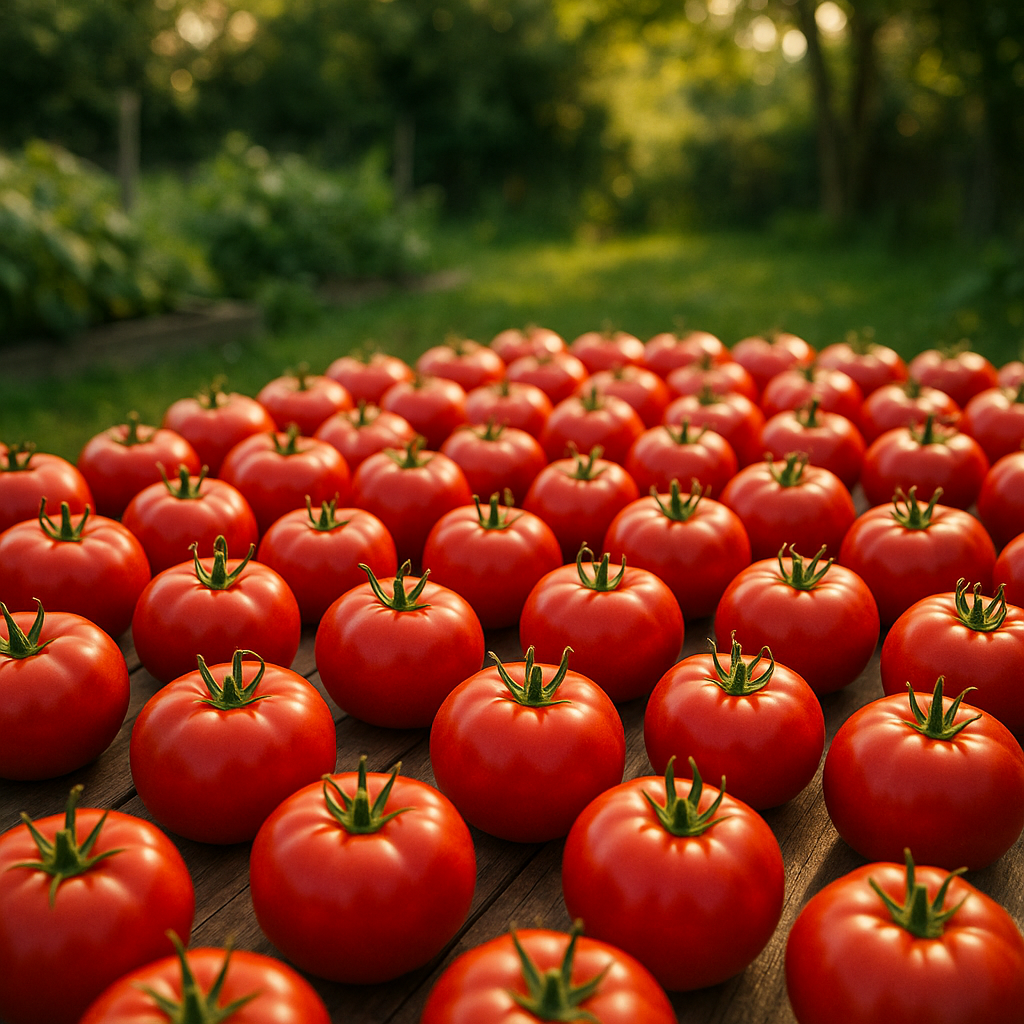
The 6 Best Ways to Preserve Garden Tomatoes
1. Freezing Tomatoes
Freezing is the fastest and most beginner-friendly method. You don't even need to peel them first — frozen tomatoes actually peel more easily than fresh ones once they thaw.
- Wash and dry your tomatoes completely.
- Score a small "X" into the bottom of each one.
- Lay them in a single layer on a baking sheet and freeze until solid (about 2–3 hours).
- Transfer to zip-top freezer bags, pressing out as much air as possible before sealing.
- Use within 8–12 months for best flavor.
Frozen tomatoes are ideal for cooked applications — sauces, soups, stews, and braises. They turn soft when thawed, so skip them for salads or sandwiches.
2. Canning Tomatoes
Water-bath canning is the classic method and produces shelf-stable tomatoes that last up to a year in a cool, dark pantry. It takes more setup than freezing but is well worth learning.
You'll need: canning jars (always use new jars — used jars may not seal reliably), a large pot deep enough to submerge the jars, heat-proof tongs, and lids.
Peel the tomatoes before canning by scoring and briefly blanching them in boiling water, then slipping off the skins. Pack into jars, add a pinch of salt if desired, process in a boiling water bath according to a tested canning recipe, and store sealed jars in a cool, dry, dark space.
3. Drying Tomatoes
Dried tomatoes are one of the most concentrated, versatile things you can make from a garden surplus. Flavor-wise, they bring sweetness, savory depth, and a hit of umami all at once. A small handful can transform a sauce, a stock, or a grain bowl.
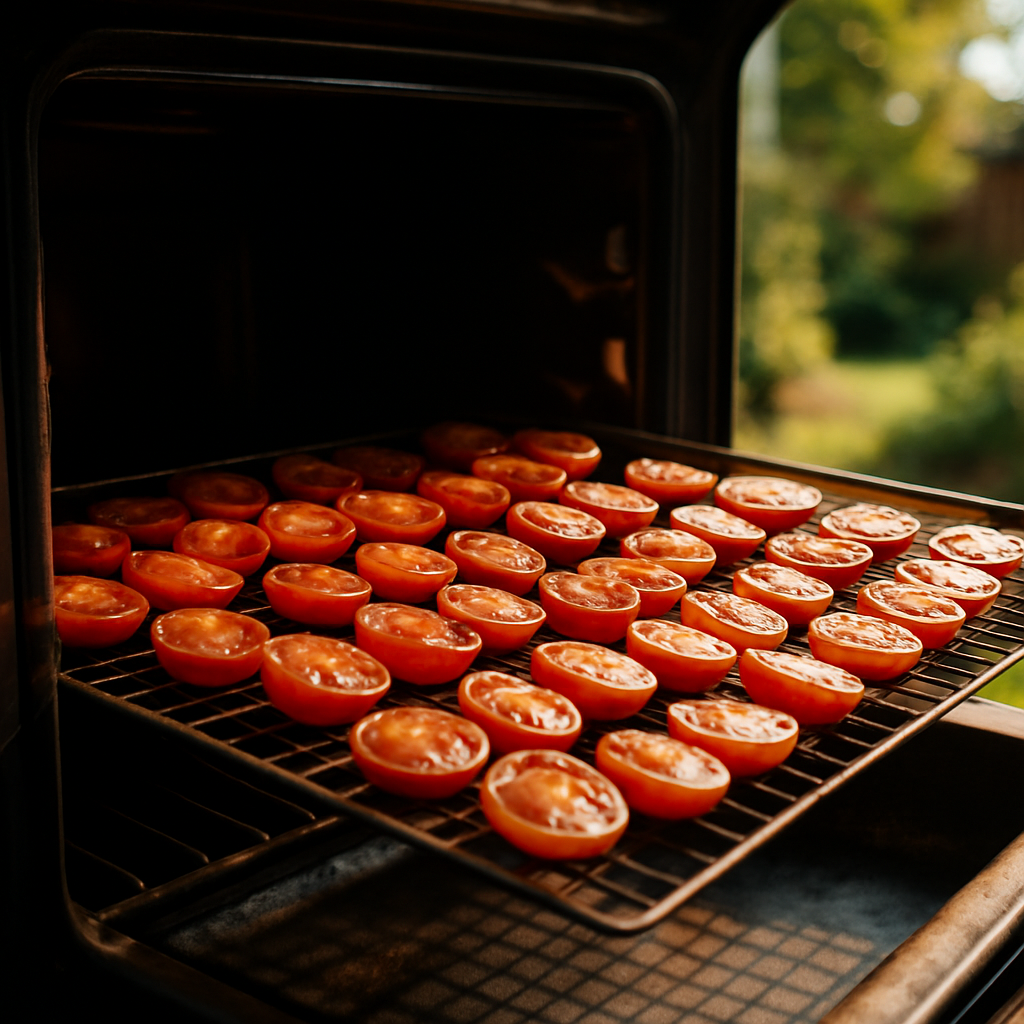
Use a food dehydrator or your oven set to its lowest temperature — somewhere around 170–200°F. Slice tomatoes in half, spread them cut-side up with plenty of space between pieces, and dry until fully leathery and moisture-free. This can take 6–10 hours depending on your equipment and the size of the tomatoes.
Important: Let dried tomatoes cool completely before sealing in a container. Any residual moisture encourages mold. Store in an airtight jar in a cool, dark place, or pack in olive oil in the refrigerator.
Cherry tomatoes like Blueberry Tomato work especially well for drying — their size means faster drying times and their naturally sweet, candy-like flavor concentrates beautifully.
4. Tomato Sauce
Homemade tomato sauce is one of the most useful things you can put in your freezer. Cook it down, portion it into containers or even ice cube trays for small-batch use, and you have a base for dozens of meals.
A few tips that make a real difference:
- Toast a spoonful of tomato paste or miso paste in olive oil before adding your fresh tomatoes — it deepens the savory flavor significantly.
- Use an immersion blender to smooth the sauce. Avoid high-speed blending, which aerates the sauce and dilutes its color and flavor.
- Freeze in portions that match how you cook: pint containers for pasta, ice cube trays for quick additions to soups or braises.
A pressure cooker is a genuinely useful shortcut here — it can develop deep, slow-cooked flavor in a fraction of the time.
5. Tomato Paste
Paste is just sauce cooked much further down — until it becomes thick, dark, and intensely concentrated. It takes several hours of low, slow cooking with frequent stirring, but the payoff is a deeply flavored ingredient that stores well and goes a long way.
Once done, pack into small jars. In the fridge, press a layer of plastic wrap directly onto the surface or pour a thin layer of olive oil over the top to keep air out. It will keep for several months this way.
6. Tomato Confit
Confit is a slower, more indulgent method that produces extraordinarily flavorful tomatoes. You submerge tomatoes in olive oil with garlic and woody herbs like rosemary or thyme, then cook everything at a very low temperature for an extended period. The result is soft, sweet, mellow tomatoes with a depth that's hard to achieve any other way.
Store the tomatoes and the oil separately in the refrigerator — this is important for food safety, as submerged food in oil at room temperature can create conditions for dangerous bacterial growth. The tomato-infused oil is its own reward: use it for dipping bread, building salad dressings, or starting your next batch of sauce.
What Tomato Varieties Work Best for Preserving?
Different preserving methods actually favor different varieties. Here's a practical breakdown:
- Sauce and paste: Meaty, low-moisture tomatoes like Moneymaker Tomato break down beautifully and cook into a rich, flavorful sauce without releasing too much liquid.
- Slicing and canning: Large, flavorful heirlooms like Cherokee Purple Tomato hold their character through processing and reward you with exceptional flavor in the jar.
- Drying and freezing whole: Smaller cherry types like Blueberry Tomato dry faster and freeze efficiently while delivering serious concentrated flavor.
Whatever you're growing, the starting quality directly determines the final quality. Tomatoes preserved at their peak will taste dramatically better than those that sat too long before processing.
Common Mistakes
1. Waiting too long to start preserving.
Tomatoes don't improve sitting on the counter. If you're already eating ripe tomatoes daily and the plants are still producing, start preserving now — don't wait for a "good day."
2. Using damaged jars for canning.
Even a hairline crack in a canning jar can prevent a proper seal and create a food safety risk. Always use new jars and inspect lids before processing.
3. Storing dried tomatoes before they're fully dry.
If any moisture remains when you seal the container, mold will find it. Let dried tomatoes cool completely and check that they're fully leathery before storing.
4. Blending sauce on high speed.
High-speed blending forces air into the sauce, which lightens the color and dilutes the flavor. Use an immersion blender or blend on the lowest setting.
5. Keeping tomato confit (or garlic in oil) at room temperature.
Oil-preserved vegetables stored at room temperature can support the growth of dangerous bacteria. Confit tomatoes and their oil should always be refrigerated and used within 1–2 weeks.
FAQs
Can I freeze tomatoes without cooking them first?
Yes. Whole raw tomatoes freeze well. Score the bottom with an "X," freeze on a sheet pan until solid, then transfer to bags. They'll be soft when thawed but perfectly usable for any cooked dish.
How long do home-canned tomatoes last?
Properly processed, sealed jars stored in a cool, dark, dry space typically last up to one year. After that, the flavor and texture begin to decline even if the seal holds.
Do I need to peel tomatoes before freezing?
No. In fact, it's easier to peel them after freezing — just run a frozen tomato under warm water and the skin slips right off.
What's the easiest preserving method for a beginner?
Freezing. It requires no special equipment, no processing time, and almost no technique. Freeze whole tomatoes or cook them into a basic sauce and freeze that.
How do I know when dried tomatoes are done?
They should be fully leathery and pliable with no soft or moist spots. If you press one between your fingers and feel any wetness, it needs more time. Let them cool completely before testing.
Your Tomato Preservation Action Plan
If you're heading into the back half of summer with tomatoes coming in fast, here's what to do this week:
- Freeze first, plan later. Wash, score, and freeze whatever tomatoes you can't eat fresh right now. It buys you time to decide on your other methods.
- Pick your second method based on how you cook. Sauce-heavy cook? Make a big batch of tomato sauce and freeze in pint containers. Love snacking and cooking with intensity? Dry a tray of cherry tomatoes.
- Source new canning jars if you want shelf-stable storage. Don't reuse old jars with unknown sealing history.
- Track what you make. Label everything with the date and contents. A freezer full of unlabeled containers is a guessing game by February.
- Start with strong plants next season. A big harvest starts with good varieties and proper support. The FlexGrow Tomato Cage supports heavy harvests up to 33 lbs and stores flat in the off-season — a solid investment if you're growing indeterminate varieties that need serious support. And to fuel that kind of production all season long, JP's Secret Stuff™ All-Purpose Organic Fertilizer gives your plants a steady, organic feed without the guesswork.
A surplus harvest is a good problem to have. With these methods in your back pocket, you'll be glad for every extra tomato come winter.
Related blogs
Holes in your leaves? Here's the organic pest control system that matches the right tool to the right pest — before more damage is done.
August isn't too late — it's prime time for fall planting. Learn which crops to plant now, how to time them, and the tricks that actually work.
Mid-summer garden slump is normal — here's how to inventory what's still working and take action now for a strong fall harvest.
Still waiting on green tomatoes? These 5 practical methods shift your plant's energy toward ripening fruit faster — starting this week.
Skip the hilling, still get a real harvest. Here's how deep planting and one mid-season step make raised bed potatoes genuinely low-effort.
Too many tomatoes? Here are 6 practical ways to freeze, can, dry, and sauce your garden harvest so nothing goes to waste.
Break your raised bed into a simple grid and grow 2–3x more food from the same space. Here's exactly how to set it up.
No yard? No problem. Learn how to grow tomatoes, peppers, and more in 5-gallon buckets with the right soil, watering, and fertilizing strategy.
Wood chips can build incredible soil — or wreck a bed. One mistake makes all the difference. Here's what actually works.
Seeds from a fast food tomato can grow into a real plant — here's how to extract, germinate, and grow them successfully.