What to Do in the Garden When Mid-Summer Feels Hopeless
Mid-summer struggle is seasonal, not failure. Here's how to inventory what's still working and set up a strong fall garden right now.
What to Do in the Garden When Mid-Summer Feels Hopeless
Mid-July through August is the hardest stretch of the gardening year. Spring crops are fading, heat is relentless, pests are at their worst, and the garden that looked full of promise in May can feel like it's coming apart. If you're standing in your backyard wondering whether any of this was worth it — that feeling is completely normal. It's seasonal. And it does not mean your garden failed.
Here's what actually helps: a clear-eyed look at what's still working, and a specific set of actions you can take right now to come out of summer with a strong fall garden.
Quick Answer
Mid-summer struggle is a predictable seasonal pattern in most temperate gardens, not a sign of failure. Walk every bed and inventory what is still actively producing — cucumbers, summer squash, root crops, and chard often carry the garden through July and August. Take action now: remove spent crops, direct seed fast-maturing vegetables, and start fall transplants indoors. The gardeners who finish summer strongest are the ones who use this window, not the ones who wait it out.
Why Mid-Summer Feels So Hard (And Why That's Normal)
In most temperate zones, July brings a convergence of problems that all land at once. Extreme heat stresses plants. Insect populations — squash vine borers, harlequin bugs, aphids — peak. Fungal diseases like early blight spread quickly in hot, humid conditions with poor airflow. And the spring crops that filled your beds with energy in May are now finished or fading fast.
What makes this stretch particularly demoralizing is the gap. Spring crops are done. Fall crops haven't started. There's nothing obviously exciting happening, and the visual landscape is dominated by yellowing leaves, wilted plants, and pest damage. It looks like failure even when it isn't.
Gardeners who keep notes across multiple seasons will tell you: this slump shows up on roughly the same schedule every year. Recognizing it as a pattern — rather than a personal verdict on your gardening ability — is the first useful thing you can do.
What Is Still Working — Train Yourself to See It
Before you pull anything or write off the season, do a deliberate walk-through of every bed with a notebook in hand. You're looking for what is actively producing, not what looks rough. Those are two different things.
Carrots, beets, and turnips often sit quietly underground and deliver a solid harvest whether you've been paying attention or not. Swiss chard handles heat well. Cucumbers and summer squash frequently outperform everything else in July if they have consistent water. Look at what you actually have, not just what's struggling.
Pay attention to volunteer plants too — seedlings that sprouted from last year's dropped seeds with zero effort from you. They're a signal that your garden ecosystem is becoming more self-sustaining. That's genuinely worth something.
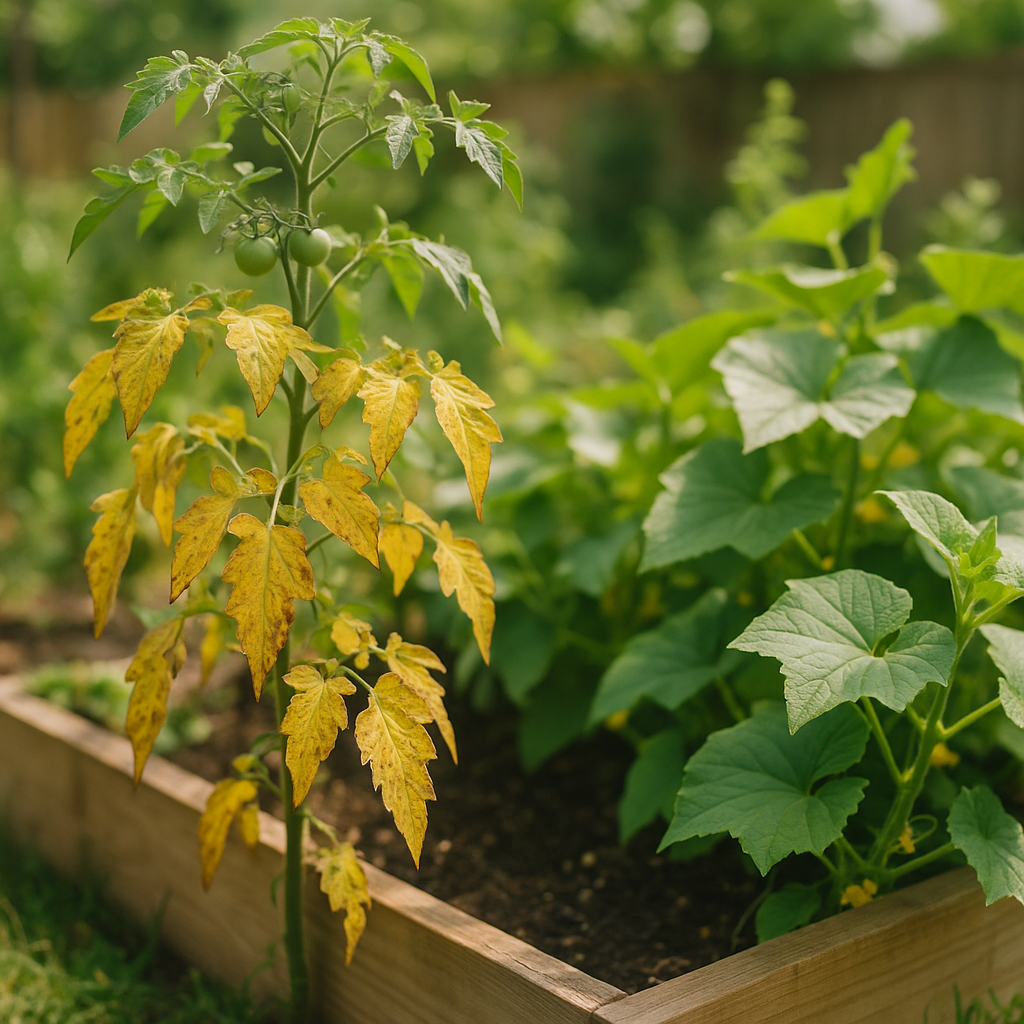
Even a tomato plant that's half-covered in early blight has usually already given you fruit, and it's given you information: about spacing, about watering habits, about whether that variety is worth growing again next year. A struggling plant isn't a waste. It's data.
When something is outperforming — a cucumber variety that set fruit through the heat, a squash that didn't miss a beat — write down the variety name right now. Mid-season is exactly when those observations are fresh and useful, and they're remarkably easy to forget by winter seed-ordering season.
Practical Mid-Season Moves to Make Right Now
Plant a Second Round of Squash
Squash vine borers are a serious problem in July, but they don't lay eggs all season. In most zones, vine borer activity winds down by late July or early August. A squash plant started from seed right now will establish largely after that peak pest window — giving you a real shot at a late-season harvest.
Direct seed summer squash or zucchini into any open bed space. If vine borers have been a recurring problem for you, this timing strategy is one of the most effective tools available — more reliable than trying to fight the pest mid-cycle.
Manage Your Brassica Gap Strategically
If you grew spring kale, broccoli, or cabbage, pull it out before late July. This feels counterintuitive if plants are still alive, but harlequin bugs and other brassica-specific pests peak in late summer and will carry over directly to any fall transplants you put in nearby.
The strategy that works: pull spring brassicas now, leave the ground brassica-free for at least two to three weeks, then transplant fall brassica starts under insect netting. That break disrupts the pest life cycle and gives your fall crop a dramatically better start.
Use Shade Cloth for New Transplants
Any transplant going into the ground during a heat peak — broccoli starts, lettuce, fresh herb seedlings — benefits from a few days of shade cloth cover. It reduces transplant shock and sun scorch while roots get established. Remove it once the plant shows new growth or daytime temps drop consistently below 85°F.
Check Your Potatoes
If you planted potatoes in spring, check for foliage die-back. When the tops yellow and start to fall over, that's the signal to dig. Don't wait too long — potatoes left in warm, moist soil after the tops die can rot or attract slugs. Even a modest yield is worth harvesting now rather than losing it to timing.
Redirect Rather Than Pull
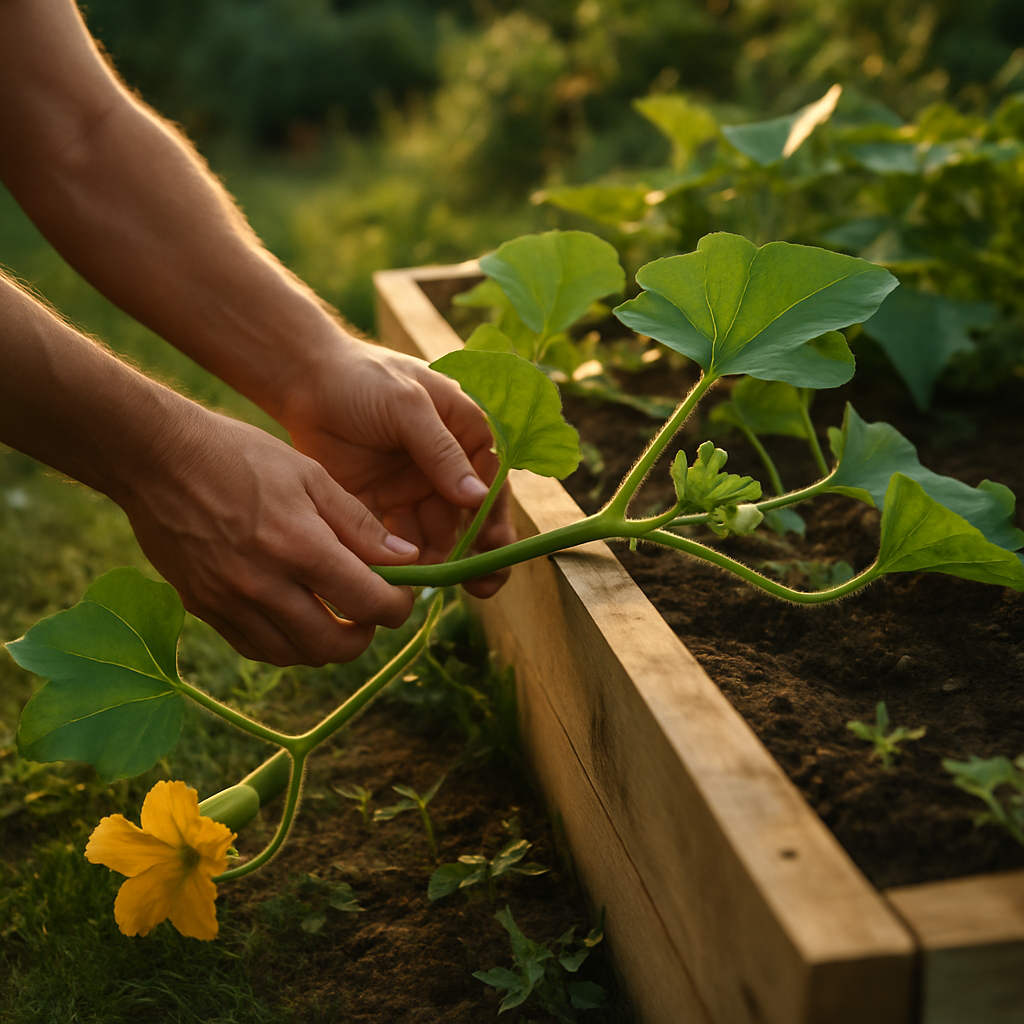
If a vining crop like butternut squash ended up sprawling in the wrong direction, redirect the vines rather than ripping the plant out. The harvest may still come. Use the misplacement as a note for next year's bed planning, not a reason to lose the crop this year.
How to Start Planning Your Fall Garden Right Now
Mid-summer — not September — is the correct time to plan your fall garden. Most fall crops (broccoli, kale, cabbage, spinach, carrots, beets) need 8–12 weeks before your first frost date to reach full maturity. In most of USDA Zone 7, that means seeds should be starting now or within the next two to three weeks.
Here's how to approach it:
- Look up your average first frost date and count backward 8–12 weeks. That gives you your last safe transplant window for each crop.
- Start brassica transplants indoors now if you haven't already — they need 4–6 weeks before they're ready to go in the ground.
- Transition beds that held finished spring crops (spent peas, pulled brassicas, fading cucumbers) by working in compost and either direct seeding fast crops like beans or carrots, or holding space for fall transplants.
- Review your season notes. If early blight has been a recurring problem, research blight-resistant varieties for next year's seed order. If vine borers hit hard, note the timing and plan the second-succession strategy into your schedule from the start next year.
When you're prepping beds for fall transplants, working in an organic fertilizer at this stage gives new plants a nutritional foundation before cooler weather slows soil activity. JP's Secret Stuff™ All-Purpose Organic Fertilizer 3-3-3 is OMRI-listed and can be used as a granular feed worked into bed prep or as a foliar spray on young transplants — a straightforward way to support plants as they head into fall production.
If you're transitioning multiple beds at once, keeping moisture consistent across established plants and new seedlings can get complicated. The Vego Irrigation Kit is a modular drip system with adjustable sprayers that helps maintain even watering without hand-watering every bed daily — particularly useful during this mixed-stage stretch of the season.
Common Mistakes
- Pulling plants that still have weeks of production left. A rough-looking cucumber vine or a blight-touched tomato may still be actively setting fruit. Check for flowers, small developing fruit, and new growth before clearing a bed — not just the overall appearance.
- Leaving old brassicas in when fall brassicas go in. This is one of the most common reasons fall brassica crops fail. Spring kale or broccoli left in the ground gives harlequin bugs and cabbage worms a direct path to your new transplants. Pull old stock first and give the area a break before replanting.
- Skipping the second squash succession. Many gardeners assume vine borers are a season-long problem and give up on squash entirely. Vine borer egg-laying is time-limited in most zones — a second planting started in late July has a realistic chance at harvest. Don't skip it just because the first round failed.
- Measuring success only by harvest weight. A season where you identified a standout variety, learned early blight timing, or improved your soil is not a failed season. Those gains compound over years. A good journal entry made in July can be worth more than a single harvest.
- Waiting until fall to start fall planning. By the time it feels like fall, it's often too late to start crops that need 60–80 days to maturity. The planting window closes faster than it seems like it should. Start now.
FAQs
Is it too late to plant anything in mid-July?
No. Fast-maturing crops like beans, summer squash, cucumbers, and many root vegetables can still be direct seeded in mid-July in most zones. For fall brassicas like broccoli and kale, start them indoors now and plan to transplant in late August.
Why do my tomatoes get early blight every year?
Early blight is a soil-borne fungal disease that spreads fastest in hot, humid conditions with poor air circulation. For next season: choose blight-resistant varieties, prune lower leaves to improve airflow, mulch heavily to prevent soil splash onto foliage, and rotate tomatoes to a different bed.
Should I remove brassicas that are still alive in late July?
Yes, if you plan to grow fall brassicas. Pulling existing plants before harlequin bugs peak helps break the pest cycle. Follow with a 2–3 week brassica-free break, then transplant fall starts under insect netting for the strongest results.
What do I do about squash vine borers?
Remove heavily damaged plants, note the timing of damage in your garden journal, and plant a second round of squash now. Vine borers typically stop laying eggs by late July or early August in most zones, so plants started now will largely avoid the problem.
How do I stay motivated when the garden isn't going well?
Do a deliberate inventory of what is still producing before focusing on what failed. Then take one small action — plant something, prep a bed, cover a transplant. Action restores motivation faster than waiting for conditions to improve on their own.
Your Action Plan for the Next Two Weeks
- Walk every bed this week and make a written list of what is actively producing, what has finished, and what needs to come out. Use this as your transition map going forward.
- Pull remaining spring brassicas now. Keep that ground brassica-free for at least two to three weeks before transplanting fall starts, and cover new transplants with insect netting.
- Direct seed a second round of summer squash or fast beans in any open space — these plants will mature after vine borer and heat pressure ease.
- Start fall brassica transplants indoors if you haven't already. Count back from your first frost date and identify your last safe transplant window for each crop you want to grow.
- Write down two or three specific observations from this season — a variety that surprised you, a pest problem that recurred, a crop that carried the garden through July. Those notes are part of the harvest, and they'll make next year's planning sharper from the start.
The garden isn't done with you yet. Get back out there.
Related blogs
Holes in your leaves? Here's the organic pest control system that matches the right tool to the right pest — before more damage is done.
August isn't too late — it's prime time for fall planting. Learn which crops to plant now, how to time them, and the tricks that actually work.
Mid-summer garden slump is normal — here's how to inventory what's still working and take action now for a strong fall harvest.
Still waiting on green tomatoes? These 5 practical methods shift your plant's energy toward ripening fruit faster — starting this week.
Skip the hilling, still get a real harvest. Here's how deep planting and one mid-season step make raised bed potatoes genuinely low-effort.
Too many tomatoes? Here are 6 practical ways to freeze, can, dry, and sauce your garden harvest so nothing goes to waste.
Break your raised bed into a simple grid and grow 2–3x more food from the same space. Here's exactly how to set it up.
No yard? No problem. Learn how to grow tomatoes, peppers, and more in 5-gallon buckets with the right soil, watering, and fertilizing strategy.
Wood chips can build incredible soil — or wreck a bed. One mistake makes all the difference. Here's what actually works.
Seeds from a fast food tomato can grow into a real plant — here's how to extract, germinate, and grow them successfully.