What to Plant in July: 10 Crops to Keep Your Garden Producing
July isn't too late — it's your second season starting line. Here are 10 crops to plant now and keep your garden producing into fall.
What to Plant in July: 10 Crops to Keep Your Garden Producing
July feels like the tail end of planting season. It isn't. If your first frost lands around mid-October — typical for most temperate zones in North America — you have 100 or more growing days left from early July. That's a full second season, not a footnote. The gardeners who keep planting now are the ones pulling fresh food in October and November while everyone else is waiting for next spring. Here are 10 crops you can start right now, with specific timing and practical techniques for getting seeds and transplants established in the heat.
Quick Answer
Yes, you can absolutely still plant in July. Cucumbers, bush beans, summer squash, carrots, lettuce, Swiss chard, brassicas, beets, Malabar spinach, and basil all have realistic paths to harvest before or after first frost. Choose varieties with 55–70 days to maturity, manage summer germination with mulch and shade, and treat July as the starting line for a second harvest wave — not the finish line.
Why July Planting Works
The math is simple. Count back 60–70 days from a mid-October frost date and you land squarely in early-to-mid July. Most fast-maturing crops fit comfortably inside that window.
The bigger challenge isn't time — it's heat. Summer soil dries out quickly, and inconsistent moisture during germination is the primary reason July plantings fail. The crops below were chosen because they're manageable in that environment, and the techniques are designed to solve that specific problem.
The 10 Crops to Plant in July
1. Cucumbers
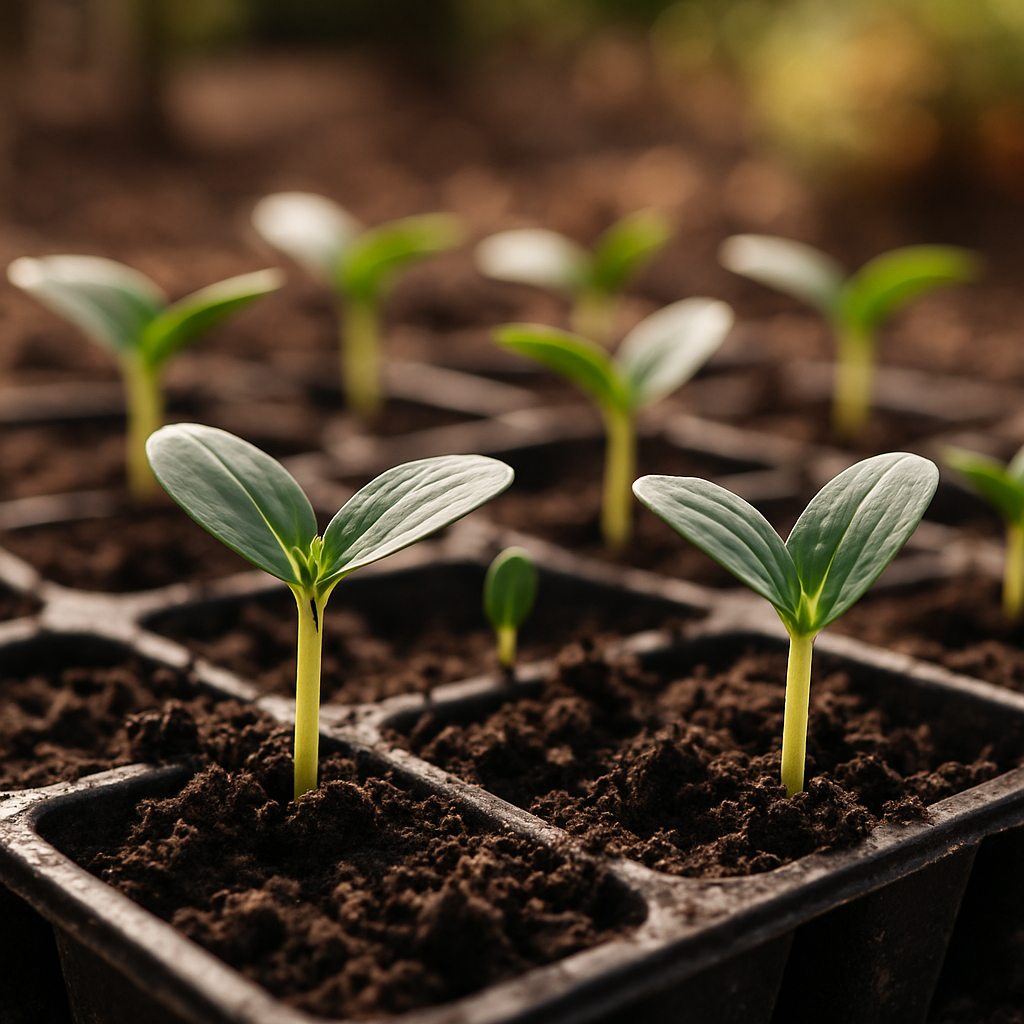
Cucumbers are one of the best July investments you can make. Most varieties mature in 55–60 days, which gives a July planting a comfortable runway to frost. You can direct-sow or start seeds in cell trays — trays give you more control over heat and pest pressure during those first vulnerable weeks.
There's also a practical insurance angle: if your current cucumber plants go down to disease or pests mid-season, a second wave already in the ground means the harvest doesn't stop. Tendergreen Cucumber is a solid choice here — it's a cold-tolerant variety that keeps performing as temperatures drop in fall, which gives a July planting extra flexibility as the season winds down.
2. Bush Beans
Bush beans are direct-sown, fast, and forgiving. Many varieties go from seed to harvest in around 55 days. Sow at roughly 9 seeds per square foot for a solid stand.
Immediately after planting, lay down a layer of straw or diced leaf mulch. Summer soil can dry out between waterings fast enough to kill germinating seeds, and mulch holds that moisture where it matters most. Bean seedlings are strong enough to push through a shallow layer without trouble. Stick to bush varieties — pole beans and yard-long beans often run 90 days or more, which is too slow for a July start in most climates.
3. Summer Squash and Zucchini
Zucchini and patty pan-type squashes keep producing until frost, and most varieties hit maturity in around 60 days. A second planting in July makes the same sense it does with cucumbers: disease or pests can take out an established plant quickly, and having a backup already growing softens that loss.
Start seeds in trays and transplant when two true leaves have developed. Cover young transplants with fine insect netting during the first few weeks — this physically blocks cucumber beetles and squash vine borers when plants are most vulnerable. Vine borer activity also tends to drop off in late July in many regions, so plants established now may miss the worst pressure of the season.
4. Carrots
Carrots run 70–80 days depending on variety, but they have a real advantage: they can stay in the ground well past your first frost date, and flavor actually improves as temperatures drop. A July planting that isn't quite mature by mid-October will still be worth harvesting in November.
Carrots must be direct-sown — transplanting damages the taproot. The main challenge is keeping soil consistently moist through the roughly two weeks it takes for germination. The technique: after sowing, press a flat board over the seed row. It traps moisture and prevents the surface from baking dry between waterings. Check under it daily, and remove it the moment seedlings start to emerge — not a day later.
5. Lettuce
Heat is lettuce's enemy. It germinates poorly in hot, dry soil and bolts fast when stressed. But it's worth growing in July if you approach it correctly.
Start seeds in cell trays rather than direct-sowing. Keep trays under 40% shade cloth or in a naturally shaded spot — the north side of a raised bed, under a tree, or against a fence all work. Once seedlings are established, transplant them into areas shaded by taller crops like peppers or trellised cucumbers. Choose bolt-resistant varieties; they'll hold significantly longer before flowering than standard heading types.
6. Swiss Chard
Swiss chard is one of the most underused late-season crops available. It handles summer heat and fall cold without bolting or wilting — a rare combination. Plant it now from seed or transplant and it will keep producing well into cold weather, surviving light frosts without any cover.
Harvest the outer leaves as they size up and the plant keeps generating new growth from the center. It also tolerates partial shade, making it a good fit for spots where sun coverage is inconsistent.
7. Fall Brassicas — Cabbage, Broccoli, Cauliflower, Kale
July is the right time to start brassicas for fall — not August, not September. Some varieties need 90–100 days to maturity, and those days add up faster than you'd expect.
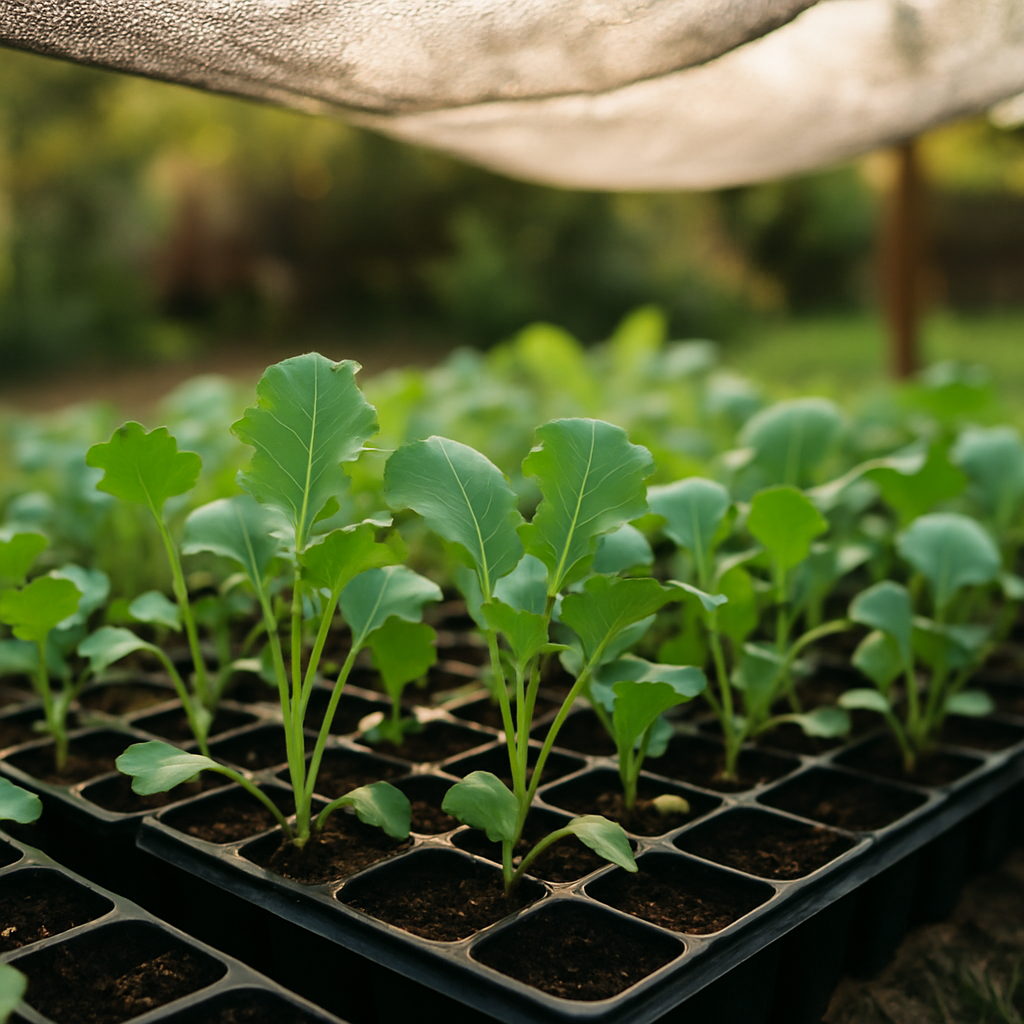
Start seeds in trays where you can control germination conditions. Transplant on a cloudy day or provide a week of temporary shade cloth coverage to ease the transition. Kale is the most cold-hardy of the group — certain varieties can be harvested through winter in many zones with no cover at all. Starting brassicas now is what makes a real fall harvest possible.
8. Beets
Beets are one of the easiest July wins. Most varieties are ready in around 60 days, making the timing very comfortable. Direct-sow and cover with a light layer of mulch — beet seedlings are strong enough to push through, and the mulch keeps moisture consistent during the critical germination window.
Like carrots, beet flavor deepens as temperatures drop in fall. As a bonus, you can harvest young beet leaves as cooking greens throughout the growing period while the roots develop underneath.
9. Malabar Spinach
Malabar spinach isn't a true spinach, but it fills the same kitchen role — and it does something true spinach can't: thrive in summer heat. It's a vining green that grows on a trellis or fence, producing thick, glossy leaves through late summer and early fall. Expect 70–85 days from seed.
The texture is slightly different from true spinach — the leaves are a bit thicker and work best sautéed or in stir-fries. If you've got open trellis space, this is a productive way to fill it during the hottest part of the season.
10. Basil
Basil is fast, heat-tolerant, and low-effort. You can direct-sow or transplant in July and either approach works well. The key to keeping it productive: pinch flower buds as soon as they appear. Once basil flowers, it redirects energy toward seed production and leaf output drops off quickly. Regular pinching extends your harvest window significantly. Basil planted now also pairs naturally with the tomatoes already peaking in your garden.
Common Mistakes
- Choosing slow varieties without checking days-to-maturity. Read the seed packet before you plant in July. Count forward from today to your expected first frost. If a variety needs 90 days and you have 95, that's marginal — choose something shorter.
- Skipping mulch on beans and beets. Summer soil dries out between waterings fast enough to kill germinating seeds. A layer of straw or diced leaf mulch after planting makes a meaningful difference in germination rates for both crops.
- Using mulch on carrot or lettuce seeds. The same mulch that helps beans hurts carrots and lettuce. Carrot seedlings can't push through it; lettuce seedlings are equally fragile. Use the flat board method for carrots and shaded trays for lettuce instead.
- Skipping hardening off when moving seedlings outside. The jump from indoor or shaded tray conditions to full summer sun is a real stress on young plants. A 4–7 day gradual transition — increasing outdoor exposure each day — prevents transplant shock and gives seedlings a strong start.
- Waiting until August to start brassicas. It feels too early to think about fall crops in July. That instinct is exactly what causes a disappointing fall harvest. Start kale, cabbage, broccoli, and cauliflower now.
FAQs
Is it too late to plant cucumbers in July?
No. Cucumbers typically mature in 55–60 days, and most gardeners have 90–100+ days until first frost from early July. A July start can produce well into fall.
How do I get seeds to germinate when summer soil dries out so fast?
For most crops, apply straw or diced leaf mulch after sowing. For carrots, press a flat board over the seed row and check daily. For lettuce, start in shaded trays rather than direct-sowing in hot soil.
Which crops should I prioritize if I only have time for a few?
Beans and beets give the fastest return with the least setup. Brassicas like kale give you the longest season extension into winter. Choose based on what your household actually eats.
How do I protect young squash transplants from cucumber beetles and squash vine borers?
Cover transplants immediately with fine insect netting. Physical exclusion is more reliable than sprays at this stage and can be removed once plants are large enough to handle pressure on their own.
Can I start seeds inside in July and transplant them later?
Yes — but hardening off is non-negotiable in summer. Bring seedlings outside for gradually increasing amounts of time over 4–7 days before leaving them out full-time. Skipping this step causes real setbacks.
Your July Action Plan
- Write down your first frost date and count back from it. Confirm which crops you have time to start in your specific location before you do anything else.
- Direct-sow beans, beets, and Malabar spinach this week. These are your lowest-effort, highest-reward July starts. Mulch beans and beets after planting. Sow Malabar spinach near a trellis or fence where it can climb.
- Set up a shaded tray station for cucumbers, squash, lettuce, brassicas, and basil. A flat of cell packs under 40% shade cloth in a partially shaded outdoor spot handles most of your summer starting needs in one place.
- Start brassica seeds now even if it feels premature. Kale, cabbage, broccoli, and cauliflower all need this lead time. Your fall harvest depends on decisions you make in July, not September.
- For carrots: prep the row, sow, and lay the flat board. Consistent moisture in the first two weeks is the entire secret to summer carrot germination. Check under the board daily and remove it the moment seedlings emerge.
July isn't the end of the season. For gardeners who keep planting, it's one of the most important months of the year.
Related blogs
Holes in your leaves? Here's the organic pest control system that matches the right tool to the right pest — before more damage is done.
August isn't too late — it's prime time for fall planting. Learn which crops to plant now, how to time them, and the tricks that actually work.
Mid-summer garden slump is normal — here's how to inventory what's still working and take action now for a strong fall harvest.
Still waiting on green tomatoes? These 5 practical methods shift your plant's energy toward ripening fruit faster — starting this week.
Skip the hilling, still get a real harvest. Here's how deep planting and one mid-season step make raised bed potatoes genuinely low-effort.
Too many tomatoes? Here are 6 practical ways to freeze, can, dry, and sauce your garden harvest so nothing goes to waste.
No yard? No problem. Learn how to grow tomatoes, peppers, and more in 5-gallon buckets with the right soil, watering, and fertilizing strategy.
Wood chips can build incredible soil — or wreck a bed. One mistake makes all the difference. Here's what actually works.
Seeds from a fast food tomato can grow into a real plant — here's how to extract, germinate, and grow them successfully.
Mid-summer struggle is seasonal, not failure. Here's how to inventory what's still working and set up a strong fall garden right now.